
The Essential Role of a Construction Foreman in Project Success
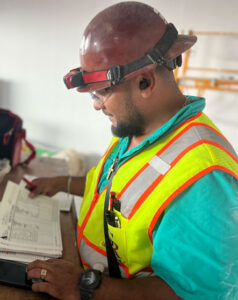 Foremen are crucial to the success of any construction project.
As the frontline supervisors, they influence the productivity, work quality and safety of crews and jobsites. From setting schedules and managing resources to on-site decision making and communication with key stakeholders, foremen play a major role in if a project meets its goals or falls short of expectations.
Here are some of the ways a foreman’s performance contributes to project outcomes:
Safety, Health, and Environment
Safety is one of the most important responsibilities entrusted to a foreman. Foremen set expectations for safe work practices and help create a culture where safety remains a daily priority.
Some of the ways foremen can lead the way in safety include:
- Conducting pre-task planning and site surveillance
- Holding daily safety briefings
- Identifying potential or active hazards and addressing them immediately
- Enforcing company policies and regulatory standards
By proactively managing risk and reinforcing safe behaviors, foremen help protect crews while minimizing disruptions.
A strong foreman understands that safety is not separate from productivity or quality. Safe jobsites experience fewer delays and better overall project performance.
Leadership and Supervision
Foremen are more than an on-site boss. They provide true leadership that keeps crews aligned, engaged and focused on project goals.
Leading by example, foremen can help inspire and motivate their crews. They provide mentorship and training to less-experienced members of the team and encourage personal and professional growth. They work to keep morale high and establish a positive workplace culture.
Foremen are also responsible for establishing clear expectations and holding crews accountable. When conflicts arise, foremen need to resolve them and ensure they don’t linger or impact the project.
Strong leadership builds trust and an ownership mindset within the crew. When crews feel supported by their supervisor, they are more likely to perform safely, efficiently and consistently — and less likely to have turnover issues.
Communication
With so many moving pieces, construction projects depend on effective communication. Foremen are the critical link between project leadership and the workforce, translating plans, schedules and expectations into clear direction that crews can act upon in the field.
Foremen communicate regularly with superintendents, project managers, other foremen, subcontractors and craft professionals to coordinate work. They also play an important role in relaying project progress, concerns and field conditions to stakeholders. Clear, consistent communication helps reduce misunderstandings, prevent mistakes and improve alignment across the jobsite.
Strong foremen also understand that communication isn’t just about technicalities and clarity. They need to be engaged, active and empathetic listeners, as well as open to receiving feedback. Effective two-way communication is crucial in maintaining strong relationships and strong jobsites.
Quality
Foremen are the first line of defense against quality issues in the field. They are responsible for ensuring work is completed according to project specifications, company standards and applicable codes before it impacts downstream activities.
This requires ongoing attention to craftsmanship, materials usage and execution of communicated plans. Foremen monitor work in progress, identify deficiencies early and take corrective action before minor issues become costly rework. They also help reinforce quality expectations by coaching crew members and verifying that work meets established requirements.
By focusing on quality throughout construction, foremen help reduce waste, minimize callbacks and improve overall project performance. Consistent quality control protects both project profitability and client satisfaction.
Productivity
Productivity is heavily affected by a foreman’s ability to lead work effectively. Foremen help ensure crews have the resources and direction needed to perform at a high level each day.
Through daily planning, work coordination and proactive problem-solving, foremen remove obstacles that can slow progress or create inefficiencies. They monitor output, adjust priorities when necessary and keep crews focused on activities that move the project forward.
Foremen are also responsibile for building a jobsite culture that encourages productivity. By recognizing strong performance and rewarding good work, they can create an environment where crews continually meet or exceed productivity benchmarks.
How to Support Foremen for Project Success
While all foremen want their influence on a project to be a positive one, it’s not an easy job. With so many areas of responsibility, many new or inexperienced leaders can struggle to manage the various challenges of a construction jobsite.
Research from the Construction Industry Institute found that more than 50% of construction foremen lack training in crucial areas like communication and quality control — making attaining success even more difficult.
Formal foreman training can bridge this gap and empower aspiring foremen with the tools they need. NCCER’s Construction Foreman Certification Program hones the skills required for this role through structured, relevant coursework with real-world insights from experienced industry experts.
By investing in development, contractors can support their leaders in the field and help them perform to their top potential.
Interested in receiving more great construction news, research and content from NCCER? Click here to join our mailing list!