

How Can Contractors Prevent Cumulative Injuries Among Construction Workers?
Summary: Contractors can prevent cumulative injuries by reducing repetitive strain, improving ergonomics, teaching proper techniques, encouraging healthy habits and investing in fitness training, such as NCCER’s construction-specific FIT program.
 When most contractors think about protecting the health and safety of their workforce, their primary focus is on preventing major incidents. OSHA’s “Focus Four” Hazards — falls, struck-by, caught-in/between and electrocutions — account for around 65% of fatal injuries in construction.
Preventing these hazards is understandably a top priority. However, it’s also important to not overlook the smaller, everyday nonfatal injuries.
Some of the construction industry’s most pervasive health issues aren’t caused by a single accident. Many are cumulative: the result of years of hard work, repetition and some bad habits. As these problems add up, they can shorten the careers of craft professionals. They can even contribute to more significant safety incidents for themselves or the people around them.
In this article, you’ll learn about:
- Common types of cumulative construction worker injuries
- How they impact both workers and employers
- How contractors can educate crews on good habits that can minimize health issues
What are Cumulative Injuries in Construction?
Cumulative injuries, or cumulative trauma disorders, are health conditions that build up over time from small, common actions. While these activities typically don’t cause immediate injury, they can result in “micro-traumas” in the body. Over months and years, this wear and tear accumulates and can eventually lead to debilitating conditions such as musculoskeletal disorders, peripheral neuropathy, chronic pain and organ disfunction.
Historically, cumulative trauma disorders have accounted for more than half of all occupational injuries.
What Construction Activities Contribute to Cumulative Disorders?
Construction activities that can contribute to cumulative injuries or disorders include:
- Repetitive Motions: Holding and using hand tools like hammers, sledgehammers and shovels daily creates repeated kinetic strain on joints, tendons and muscle groups. Using power tools such as drills and saws creates exposure to high-intensity vibrations. This can lead to conditions like Hand-Arm Vibration Syndrome (HAVS).
- Overexertion: Lifting and moving heavy materials and equipment frequently can contribute to muscle strains, soft-tissue injuries and chronic musculoskeletal disorders.
- Strained Posture: Bent necks, elbows and backs are common as tradesmen do their tasks. Some projects need craft professionals to crawl into small spaces and work in awkward positions, harming the musculoskeletal system.
- Not Using Proper Personal Protective Equipment: Improper, incomplete or inconsistent usage of appropriate PPE can expose craft professionals to health risks. Not wearing ear protection can eventually cause hearing loss and tinnitus. Not wearing safety glasses or facemasks around airborne dust and particles can contaminate the eyes, lungs and airways.
Along with work-related actions, other lifestyle situations that commonly impact the craft workforce include:
- Poor Hydration and Nutrition: Hydration and nutrition are key to overall wellbeing. The craft workforce often has poor habits in this area. In one survey, 90% of construction workers admitted the food they eat at work is not very healthy. Overconsumption of highly caffeinated energy drinks, fast food and highly processed snacks, paired with not drinking enough water, can contribute to a myriad of health issues. Poor nutrition and hydration also negatively impact the body’s ability to rest and recover.
- Insufficient Sleep: Lengthy work days, early starts and long travel distances often cause construction workers to get insufficient sleep. This can contribute to fatigue, reduced alertness and increased injury risk. Lack of sleep limits the body’s recovery, weakens immunity and contributes to mental distress.
- Substance Abuse: Use of alcohol, painkillers and illicit drugs to cope with physical and mental health issues can lead to addiction, impairment and significant long-term damage to bodily functions.
How Do Cumulative Injuries in the Construction Workforce Impact Contractors?
Cumulative injuries impact contractors in similar ways that acute construction worker injuries do. While injuries most directly affect the individuals dealing with them, these health conditions also have major direct and indirect consequences for construction employers.
- Healthcare-Related Costs: Like acute injuries, cumulative injuries may be compensable under workers’ compensation laws, depending on jurisdiction and the ability to establish a work-related cause. High claim rates can also raise insurance premiums. This leads to higher costs for the contractor.
- Labor Shortages: When workers are dealing with pains and injuries, they may miss time on the jobsite to heal. In some cases, workers may be forced to retire, leave the industry or change to a less physical role. This leaves problematic gaps in the workforce.
- Lost Productivity, Quality and Time: Shorthanded crews will usually be less productive in completing scheduled work. Workers dealing with nagging injuries but are still able to work may be slower or less effective at their tasks. Fatigued teams might rush their work, resulting in poorer execution and quality.
- Safety Risks: Craft professionals who continue to work through chronic pain and fatigue may be more susceptible to mistakes. This can compound hazards for themselves, other workers and equipment.
- Trickle-Down Effects: All of these issues can have trickle-down impacts further downstream. This includes:
- Missed deadlines
- Exceeded budgets
- Contracts obligations going unmet
- Damaged contractor reputations
- Employee recruitment and retention problems
How Can Contractors Help Their Workforce Prevent Cumulative Injuries?
Many of the common cumulative injuries in construction can be minimized, delayed or prevented by maintaining fitness through proper techniques and better workplace and lifestyle habits.
- Ergonomic positioning with comfortable, efficient movement can significantly limit damage caused by repetitive strain and posture.
- Lifting using correct technique, tools and equipment can prevent issues related to overexertion.
- Using PPE correctly can guard against traumas to protected areas.
- Healthy diets support overall wellness and key bodily functions.
- Good strength and mobility help craft professionals work better, move easier and avoid injuries.
Much like other construction skills, building occupational fitness in the craft workforce takes education, practice and reinforcement. Contractors who invest in initiatives that focus on both acute and cumulative injury prevention can comprehensively support a fit, safe and healthy workforce.
 What Training and Resources are Available for Construction Injury Prevention?
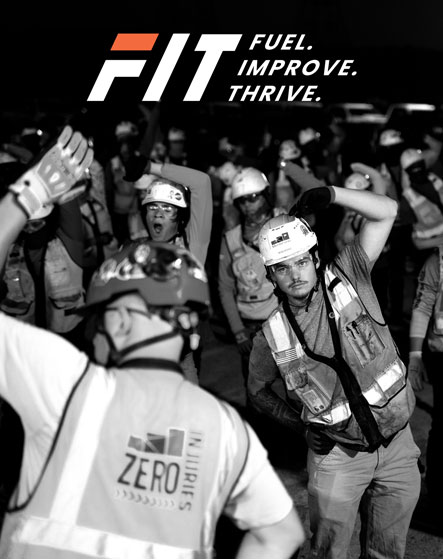
The National Center for Construction Education and Research (NCCER) offers FIT – Fuel, Improve, Thrive. This construction-specific fitness program offers education and practical tools to help contractors and craft professionals improve nutrition, fitness, injury prevention and behavioral safety.
Through videos, readings and other materials, FIT participants can learn about proper construction worker ergonomics and healthy habits that can help them protect their bodies long-term and prolong their career in the field.
Focusing on Fitness and Injury Prevention in Construction
Contractors go to great lengths to identify and prevent major hazards and accidents. However, some threats to worker health develop more gradually, accumulating over months or years until serious symptoms emerge.
By including training for fitness and cumulative injury prevention in jobsite safety initiatives, construction employers can take a more comprehensive approach to the health, wellness and longevity of their workforce.
Key Takeaways:
- Cumulative trauma disorders are among the most widely experienced construction worker injuries.
- Cumulative injuries and health conditions are common in construction because of repetitive stress actions, overexertion, poor ergonomics, improper PPE use, and bad eating, drinking and sleeping habits.
- Contractors can be affected by rising costs, lost productivity, missed deadlines and safety hazards as a result of construction workforce injuries.
- Providing formal training to craft professionals about occupational fitness, proper techniques and healthy lifestyle habits is a proactive way for contractors to reduce or prevent construction-related cumulative injuries.
- NCCER’s FIT program is a construction-specific fitness education program that helps teach craft professionals how to support and protect their bodies throughout their career.